
Photos are the fastest way to build trust on a pet business website and the thing most of us are worst at.
I get why. You're busy running the business. The dogs won't sit still. The lighting in your facility is bad. So you end up with a hero image of a stock photo dog, some phone shots that are slightly blurry, and a nagging feeling that your site looks amateur next to the competition.
Here's what to shoot and how to make it not terrible.
The shot list ...
Your space, empty and clean.
People want to see where their dog will be. Daycare owners resist this because a clean empty room looks boring, but it's reassuring. Show the play area, the rest area, the entrance.
Your space, in use.
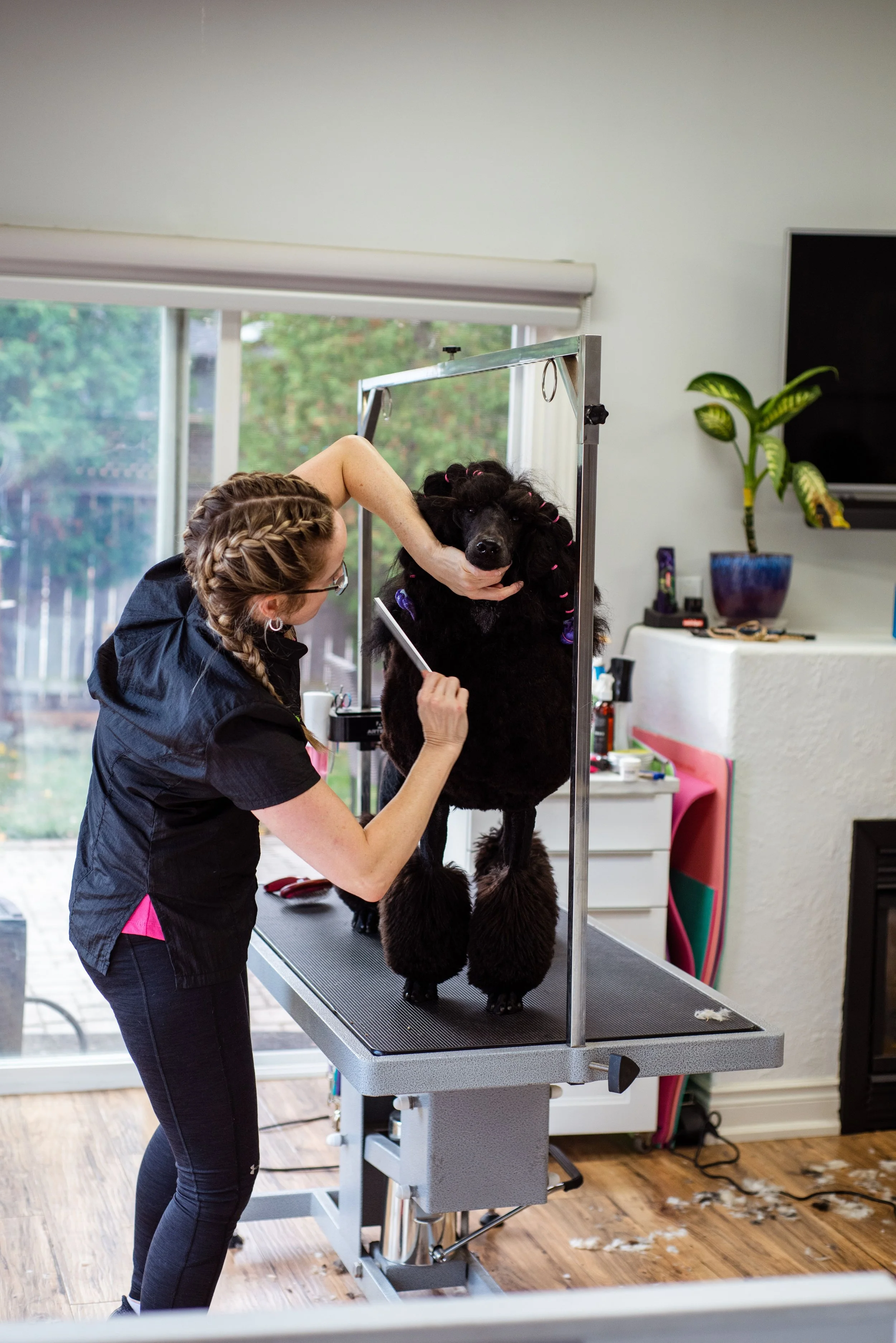
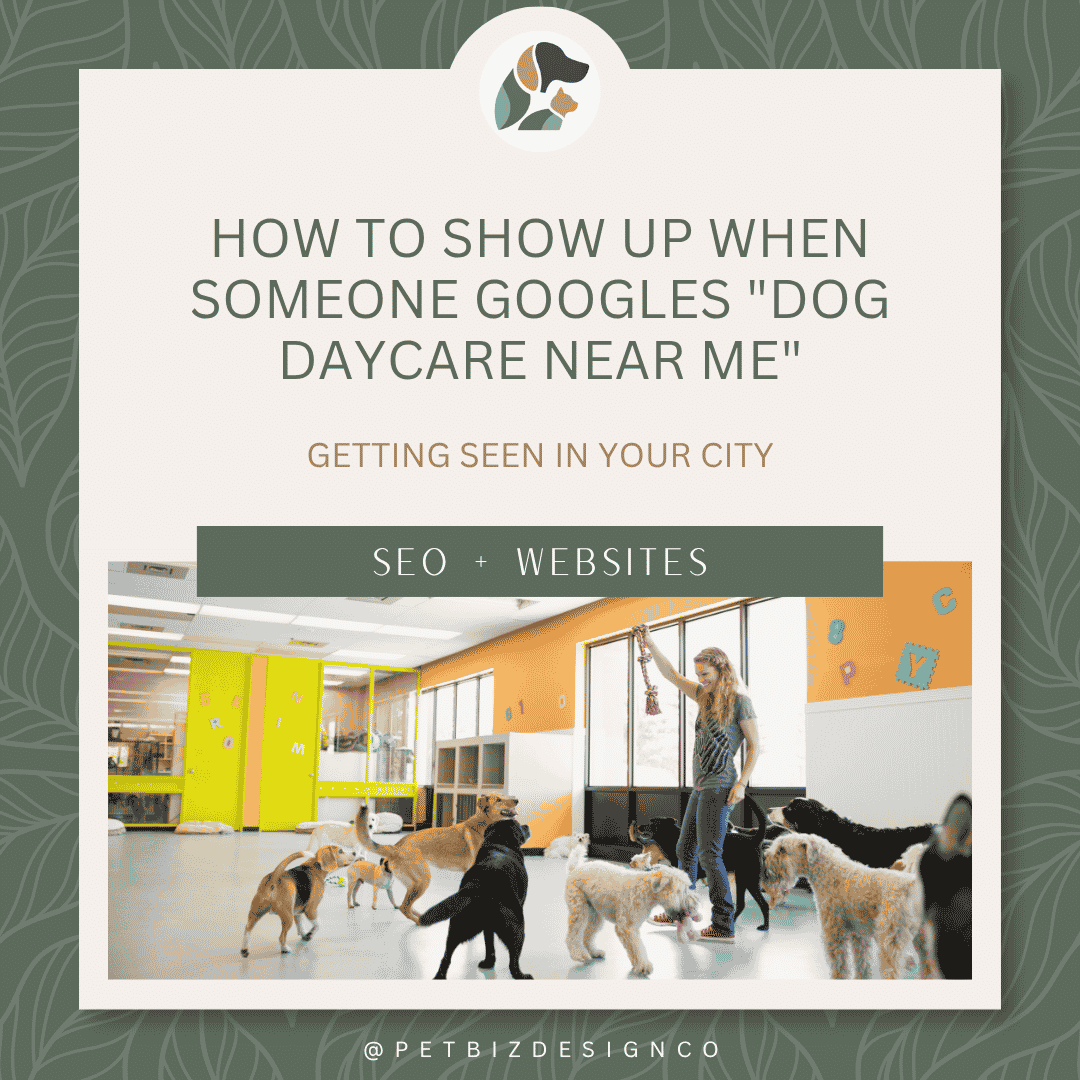
Dogs actually playing, actually being handled, actually being groomed. This is the one that converts. It shows the dogs are relaxed and your staff know what they're doing.
You and your staff, with dogs.
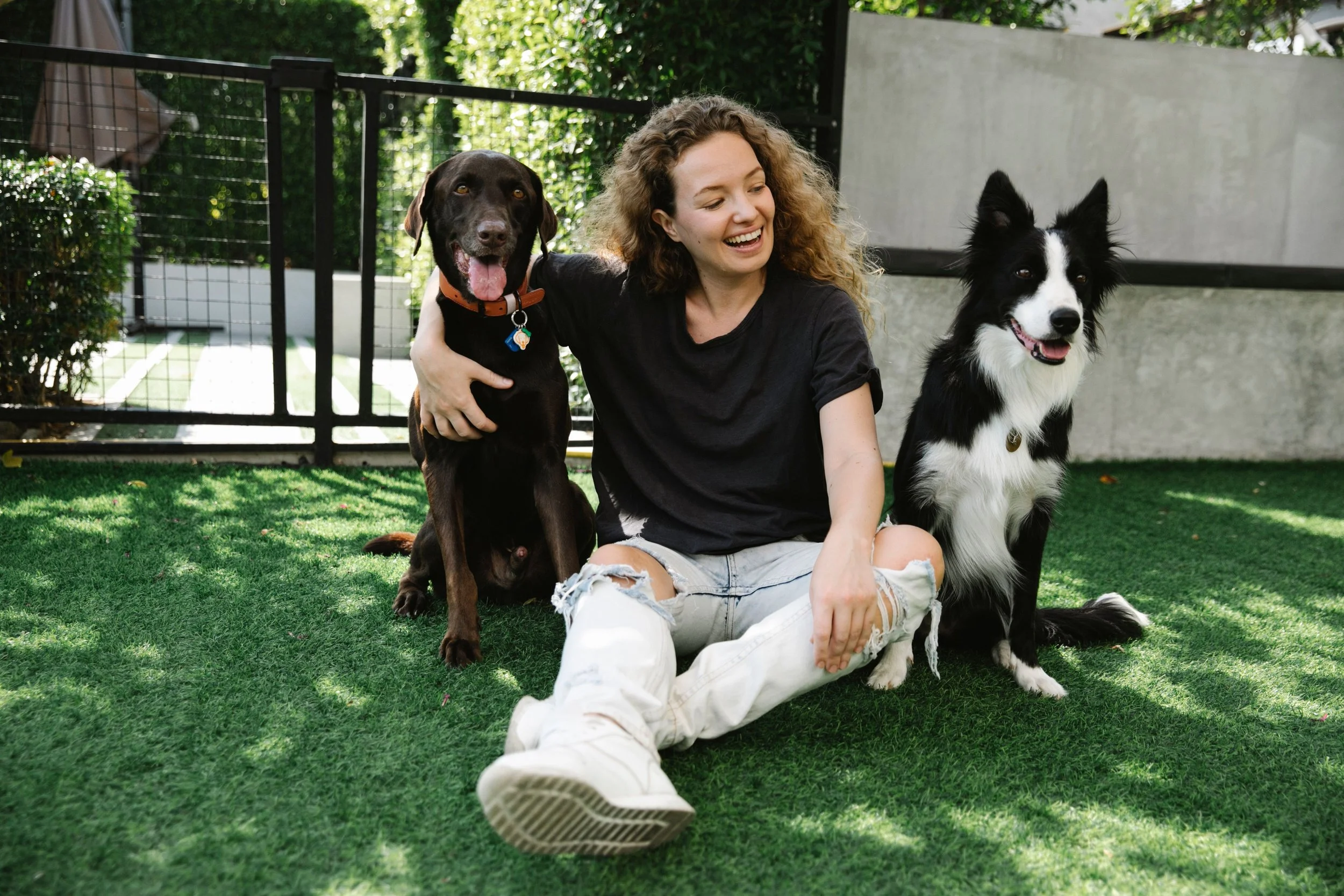
Faces. Real ones. A dog owner is handing over a family member — they want to see the humans involved. This is worth more than any logo or graphic on your site.
Hands-on detail shots.
A leash being clipped, a brush mid-stroke, a treat being handed over, a dog's face while you're working with it. These break up text nicely and they signal competence.
Before and after, if you groom.
Non-negotiable for groomers. Same angle, same background, good light. This is the entire sales pitch for your service in two images.
A few genuinely joyful shots.
The zoomies. The sploot. The dog with the ridiculous expression. These are the ones people share.
How to shoot them on a phone
Shoot near a door or window, or go outside.
Overhead fluorescent light is the enemy. Every facility photo that looks cheap is a lighting problem before it's a camera problem.
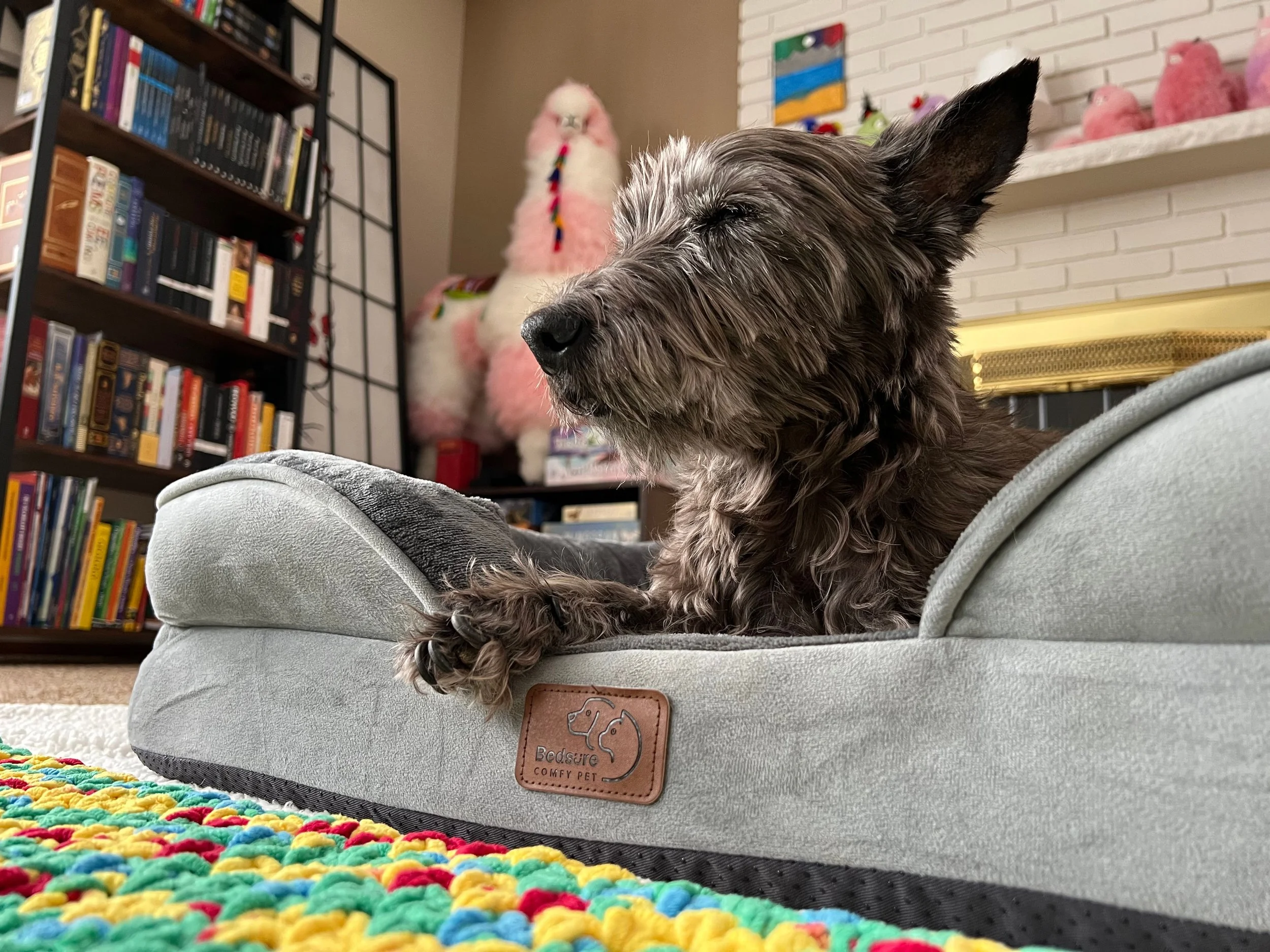
Get down to dog height.
Photos taken from standing height look like surveillance. Crouch. Sit on the floor. It's the single biggest improvement available to you.
Take way more than you need.
A hundred photos to get eight good ones is normal with dogs. Burst mode is free.
Have someone else hold the treat.
You can't get a dog's attention and frame a shot at the same time. Recruit a staff member.
Wipe your lens.
It's a phone that lives in a pocket in a building full of dogs. It's dirty. That's your blur.
Get consent.
Ask clients before you post their dogs. Most say yes enthusiastically. A simple line in your intake paperwork covers you and saves an awkward conversation later.
What to avoid
Stock photos of dogs that aren't yours. People can tell, and it reads as "we have nothing real to show you."
Photos with a sad or stressed dog in the background. You'd be amazed how often there's a dog cowering at the edge of an otherwise good shot. Look at the whole frame.
Heavy filters. Warm, natural, and slightly bright is the look. Anything more processed undercuts the trustworthiness you're trying to build.
Huge uncompressed files. A beautiful photo that takes eight seconds to load is not a beautiful photo. Compress everything before you upload.
If you do hire a photographer …
Book them for two hours on a normal busy day, not a staged one. Give them your shot list in advance. Ask for images cropped both horizontally and vertically, because your website and your Instagram need different shapes and you'll be glad you asked.
One good session lasts you two or three years, and it's the best few hundred dollars most pet businesses will spend on their marketing.





If you've never done this before, the number of decisions can feel bigger than it needs to be. Here's the version without the overwhelm.